
What to do in Zumaia when it rains: the Flysch can also be enjoyed in bad weather
The opening of Flysch Txokoa in July 2026 reinforces a very clear idea: on the Gipuzkoa coast, the weather does not cancel the experience, it transforms it. This new space was created as a welcome and interpretation point for visitors, making it possible to organise activities throughout the year, including on days when the sea forces a change to the original plan.
The Flysch does not disappear when the weather changes
There is a very limited way to visit Zumaia: arrive, take a few photos and leave. And there is another, much more complete way: to understand the landscape, read the territory and discover why this place has such great value. At Begi Bistan, we have been working from that second perspective for a long time. The Flysch remains the main protagonist, but the experience gains much more meaning when geology, culture and context come together.
Rain, wind or grey skies do not make the landscape any less interesting. On the contrary. They are part of the identity of this coast and they change the way it is observed. The rock looks different, the sea sets another rhythm, and the visit stops being just a postcard and becomes a more real experience. That is precisely the philosophy behind the new Flysch Txokoa and the ecotourism model that Begi Bistan wants to promote in the area.
When it is not possible to go out to sea, there is another way to discover Zumaia
The boat remains one of the most complete ways to understand the scale of the Flysch and the relationship between the cliffs, geological history and the sea. But on the coast, it is not always the calendar that decides: the sea decides. That is why, when conditions do not allow the planned trip to go ahead, the important thing is not to offer just any replacement, but to provide an alternative that is coherent with the place.
Begi Bistan already has a specific proposal for those days: “Al mal tiempo… ¡CHUBASQUERO!”. The activity includes a walking visit through the Flysch, insights into Zumaia’s maritime heritage and a stop at the San Telmo hermitage. It is not a secondary plan, nor simply a last-minute solution. It is another way to enter the territory, with more calm, more interpretation and greater attention to the details that often go unnoticed when we only think about going out to sea.
Flysch Txokoa: a starting point for visiting the coast in a better way
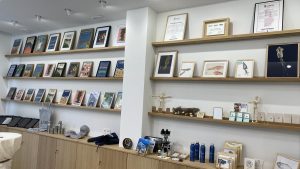
The new Flysch Txokoa is located next to the Zumaia Tourist Office and has a very specific role: to welcome, guide and interpret. It is not only a place to manage bookings or wait for the weather to improve. It is a space designed to help each visit make more sense, to adapt the proposal to the reality of the day and to accompany visitors in discovering the territory in a fuller way.
This fits with an idea that is becoming increasingly necessary on the coast: tourism should not be measured by the number of people passing through, but by the quality of the experience they take away with them. In this way, Begi Bistan puts forward a model that helps spread visits more evenly throughout the year and connects natural heritage, maritime culture and the local economy in a more sustainable way.
Visiting Zumaia with meaning, even beyond the perfect day
Zumaia is not only about sunshine, summer and the classic photo at Itzurun. Zumaia is also changing seas, low skies, wet rock and walks that make you slow down and look more carefully. That is where a well-designed guided visit really makes the difference. Because it is not only about seeing the Flysch, but about understanding what we are looking at, why this landscape is so unique and how it is connected to the history and identity of the Gipuzkoa coast.
That is why, if the day begins with rain, the plan does not fall apart. It changes. And sometimes that change even improves the experience. Less rush, more interpretation and a more honest way to discover Zumaia and the Gipuzkoa Coast Geopark. At Begi Bistan, we are clear about it: the weather cannot always be chosen, but the way of experiencing the territory can.